

Suicide. Why is it difficult to talk about? Social, religious, and political ideas surround suicide. It can be uncomfortable. There is vulnerability. However, it is critical that we know the facts and encourage healthy conversation about suicide. As a mental health professional, I have worked with youth who have struggled with suicide. But, I also have a personal connection to suicide as I’ve known friends and relatives who have struggled with it and walked alongside them and their families as they cope. As September is national suicide prevention month, this conversation is not only critical but timely.
How common are suicidal thoughts and attempts in youth?
In a 2023 survey of over 10,000 youth in grades 9-12 across the United States, 20.4% had seriously considered suicide, and almost 10% had attempted suicide in the last year. This generally means that if you know 10 youth, two have likely seriously contemplated suicide, and one has attempted it. In many cases, you may not know about suicide contemplation as youth keep it to themselves. Attempts are more visible, with the most common being use of medication. In 2021, suicide was the third leading cause of death among US high school teens. The most frequent means of death by suicide is use of a firearm, followed by hanging. Suicide is related to other mental health and substance use concerns. In the 2023 survey, more than one quarter (28.5%) of youth experienced poor mental health, and almost 40% reported persistent (2 weeks or more) feelings of sadness and hopelessness.
Who is at risk?
- Teens: Youth ages 13 and above are much more likely to have suicidal ideation and suicide attempts than younger children (ages 8-12). Impulsivity, increased social pressure, substance use, and other mental health concerns have been linked to suicide in teens.
- Younger teens: Ninth graders were more likely to report suicide attempts than 12th
- Females: Female students seriously considered attempting suicide at twice the rate (27.1%) of males (14.1%). They were also more likely to attempt suicide (12.6%) than males (6.4%). Hormonal influences, social pressures and comparison, increased risk for anxiety and depression, and gender differences in expressing stress have all been linked to suicidal thoughts and behaviors in females. In fact, in the 2023 survey, female students were twice as likely as male students to report persistent feelings of sadness or hopelessness (52.6% versus 27.7%) and/or poor mental health (38.8% versus 18.8%).
- LGBTQ+: Teens who identified as LGBTQ+ are more than three times as likely as heterosexual students to endorse seriously considered attempting suicide (41% versus 13%) and attempted suicide (19.7% versus 6.0%). For more information on how to support LGBTQ+ youth, check out our previous blog post.
- Racial and ethnic minority: There was an increased risk for historically marginalized teens, with results varying by race and ethnicity and no consistent patterns emerging.
What protects teens from suicide?
- Physical Activity: Youth who were physically active for at least 60 minutes five or more days per week were less likely to report persistent sadness and hopelessness.
- Sleep: Youth who received 8 or more hours of sleep per night were less likely to report suicidal thoughts or attempts or mental health concerns.
- Someone taking care of them: Youth who reported that an adult living with them “always” tried to meet their basic needs were less likely to endorse suicidal thoughts or attempts or mental health concerns.
- Keeping track of teens and their activities: Teens who reported that a caregiver was monitoring their activities were less likely to endorse suicide or mental health concerns.
- Social Connectedness: Teens who felt connected to their school and played on at least one sports team were less likely to report suicidal thoughts or attempts or mental health concerns.
What can I do to help protect youth?
“I don’t even know how I got there. I really felt alone. And, I felt like ending my life was the only option. I can’t even relate to that “me.” It’s like I’m a completely different person.”
- Encourage healthy behaviors across sleep, nutrition, physical activity and sports, and social engagement and screen use
- Be aware and monitor a youth’s activities, who they hang out with, mood, behavior, etc. Create a safe space to ask youth about what they think and how they feel. Check out our previous blog for more ways to support youth behavioral health.
- If you have concerns about suicide, consider using one of the free tools to screen for suicide risk, such as the Ask Suicide-Screening Questionnaire (ASQ) or the Columbia-Suicide Severity Rating Scale (C-SSRS).
- Reduce access to lethal means. Lethal means are those that are most likely to cause death when used by youth experiencing thoughts of suicide. Many suicide attempts occur with little planning during a short-term crisis. Youth experiencing thoughts of suicide are often looking for a way to end emotional pain rather than their life. Putting time and distance between a youth experiencing thoughts of suicide and lethal means, may save a life.
- Address fire-arm safety
- When possible, remove firearms from the home
- If present, secure firearms within the home
- Unload all firearms
- Lock them in a firearm safe
- Lock ammunition separately
- Change combinations or key locations
- Remove ligatures, such as ropes, ties, belts, plastic bags, etc. that could be used for suffocation or strangulation
- Secure medications
- Properly dispose of expired/unneeded medicines – prescription and over the counter
- Secure necessary medications, especially prescription pain pills, over-the counter pain pills, and over-the counter sleeping pills, and other medications with known risk for substance abuse
- Dispense medications one at a time or only keep a few days worth in the pill container
- Lock windows and doors to prevent jumps and falls
- Lock up and use a “check out” system for all sharps (e.g., razors, knives, etc.)
- Consider a safety plan to identify warning signs, coping strategies, and support systems. A safety plan should not be a no-suicide contract as evidence suggests there is evidence to suggest that no-suicide contacts are not effective for preventing suicide. Instead, they have been found to increase the frequency and intensity of suicidal ideation.
- Seek professional help for concerns, such as substance use, anxiety or depression, and others, associated with suicide. For more information on navigating mental health resources and how to find a provider, see our previous blog post.
- The 988 Suicide & Crisis Lifeline is available 24/7/365 for calls, texts, or chats. 988 has resources for youth experiencing suicidal ideation but also for families coping with it.
What resources does PracticeWise offer?
The Managing and Adapting Practice (MAP) system, one of the products offered at PracticeWise, can support you in delivering evidence-informed care for suicide in youth. The MAP system has several key resources. For example, a quick search of the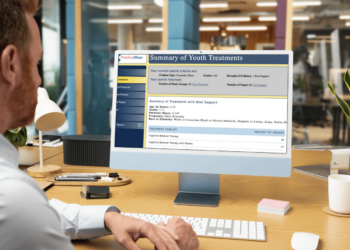 PracticeWise Evidence-based Services (PWEBS) database can provide you with the treatment programs which have the highest level of scientific support for addressing suicide. PWEBS also lists the most frequently used strategies in these treatment protocols. In the MAP library of Practice Guides, you can find 2-page, step-by-step instructions on how to deliver these strategies, including a new guide on Psychoeducation for Health Promotion (e.g., sleep, physical activity, etc.). If you are unfamiliar with a strategy, our on-demand library has many courses to provide more detailed information about the background of a strategy and guidance for how to use it with a client.
Let’s all work together to prevent suicide and equip teens and families with resources to cope with suicide.
“After losing my son to suicide 12 years ago, I have to say that the ripple effect has continued not only in my heart but also in the lives of our family. Holidays have never been the same; actually, I dread them. I have a constant feeling that my son is missing.”
—
About the Author
Janelle Wagner Ph.D., serves on the Professional Development Team as an Associate Trainer and Senior Consultant for PracticeWise. Learn more about Dr. Wagner on the PracticeWise team page.